How Light is Delivering the Future of Broadband: Free-Space Optical Communication & The Next Era of Connectivity
Why managing AI risk presents new challenges
Aliquet morbi justo auctor cursus auctor aliquam. Neque elit blandit et quis tortor vel ut lectus morbi. Amet mus nunc rhoncus sit sagittis pellentesque eleifend lobortis commodo vestibulum hendrerit proin varius lorem ultrices quam velit sed consequat duis. Lectus condimentum maecenas adipiscing massa neque erat porttitor in adipiscing aliquam auctor aliquam eu phasellus egestas lectus hendrerit sit malesuada tincidunt quisque volutpat aliquet vitae lorem odio feugiat lectus sem purus.
- Lorem ipsum dolor sit amet consectetur lobortis pellentesque sit ullamcorpe.
- Mauris aliquet faucibus iaculis vitae ullamco consectetur praesent luctus.
- Posuere enim mi pharetra neque proin condimentum maecenas adipiscing.
- Posuere enim mi pharetra neque proin nibh dolor amet vitae feugiat.
The difficult of using AI to improve risk management
Viverra mi ut nulla eu mattis in purus. Habitant donec mauris id consectetur. Tempus consequat ornare dui tortor feugiat cursus. Pellentesque massa molestie phasellus enim lobortis pellentesque sit ullamcorper purus. Elementum ante nunc quam pulvinar. Volutpat nibh dolor amet vitae feugiat varius augue justo elit. Vitae amet curabitur in sagittis arcu montes tortor. In enim pulvinar pharetra sagittis fermentum. Ultricies non eu faucibus praesent tristique dolor tellus bibendum. Cursus bibendum nunc enim.

How to bring AI into managing risk
Mattis quisque amet pharetra nisl congue nulla orci. Nibh commodo maecenas adipiscing adipiscing. Blandit ut odio urna arcu quam eleifend donec neque. Augue nisl arcu malesuada interdum risus lectus sed. Pulvinar aliquam morbi arcu commodo. Accumsan elementum elit vitae pellentesque sit. Nibh elementum morbi feugiat amet aliquet. Ultrices duis lobortis mauris nibh pellentesque mattis est maecenas. Tellus pellentesque vivamus massa purus arcu sagittis. Viverra consectetur praesent luctus faucibus phasellus integer fermentum mattis donec.
Pros and cons of using AI to manage risks
Commodo velit viverra neque aliquet tincidunt feugiat. Amet proin cras pharetra mauris leo. In vitae mattis sit fermentum. Maecenas nullam egestas lorem tincidunt eleifend est felis tincidunt. Etiam dictum consectetur blandit tortor vitae. Eget integer tortor in mattis velit ante purus ante.
- Vestibulum faucibus semper vitae imperdiet at eget sed diam ullamcorper vulputate.
- Quam mi proin libero morbi viverra ultrices odio sem felis mattis etiam faucibus morbi.
- Tincidunt ac eu aliquet turpis amet morbi at hendrerit donec pharetra tellus vel nec.
- Sollicitudin egestas sit bibendum malesuada pulvinar sit aliquet turpis lacus ultricies.
“Lacus donec arcu amet diam vestibulum nunc nulla malesuada velit curabitur mauris tempus nunc curabitur dignig pharetra metus consequat.”
Benefits and opportunities for risk managers applying AI
Commodo velit viverra neque aliquet tincidunt feugiat. Amet proin cras pharetra mauris leo. In vitae mattis sit fermentum. Maecenas nullam egestas lorem tincidunt eleifend est felis tincidunt. Etiam dictum consectetur blandit tortor vitae. Eget integer tortor in mattis velit ante purus ante.
The digital age has fundamentally reshaped our world. High-speed internet access is not just a convenience, but a critical foundation for economic growth, education, healthcare, and connection. But the promise of universal, reliable, and truly high-speed broadband is still out of reach for many. The inherent limitations of traditional connectivity methods challenge our goals for a fully connected global society.
For decades, fiber optic cables have reigned supreme, setting the gold standard for speed and reliability by transmitting data through physical glass cables. But what if there was a revolutionary way to deliver this same fiber-grade performance without the need for extensive physical infrastructure? This is the promise of Free Space Optical Communication (FSOC), and it’s emerging as the next critical leap in broadband technology. Just as wired technology went wireless, fiber is now going fiberless.
What is FSOC?
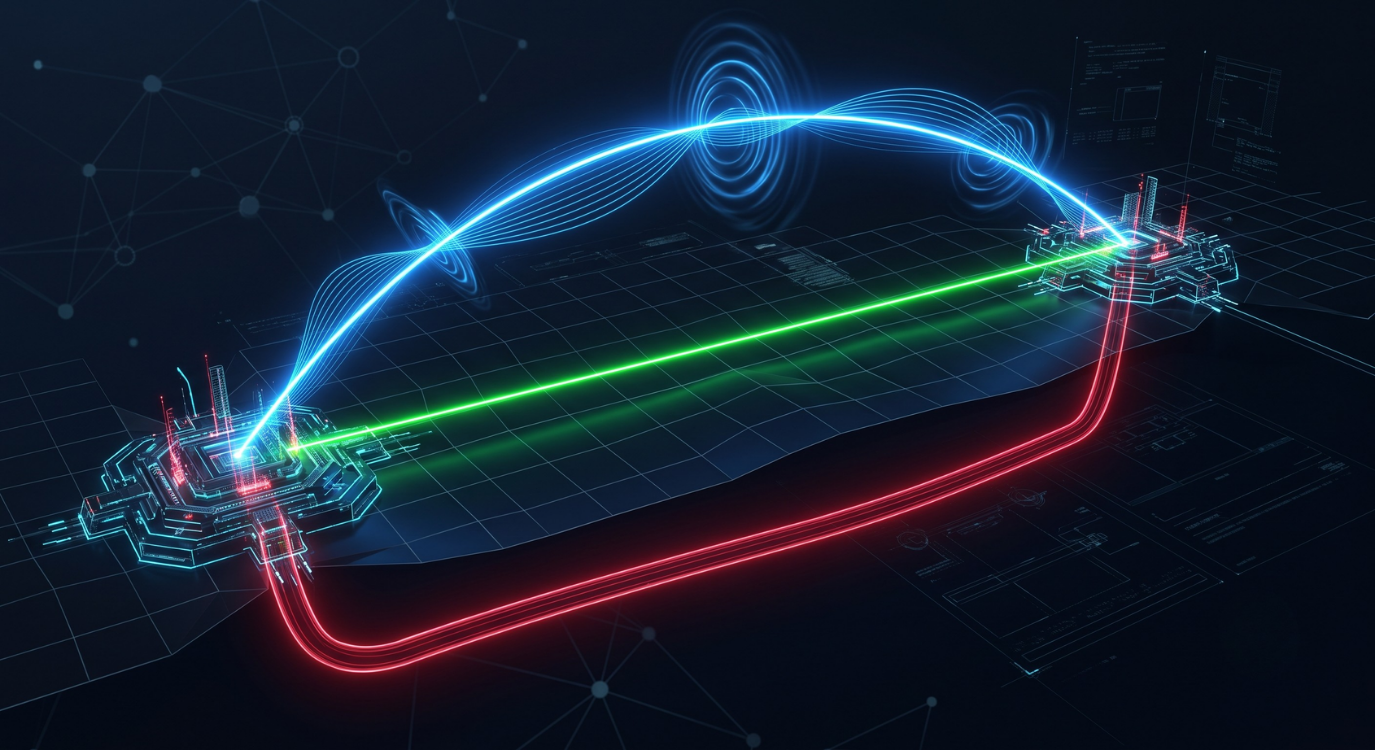
At its most fundamental level, FSOC is the transmission of data through the air using invisible, tightly focused beams of light. Unlike radio-based wireless technologies that rely on electromagnetic waves, FSOC systems precisely beam light waves directly from one point to another. Imagine a high-powered, incredibly precise flashlight beam, but instead of just illuminating a spot, it's carrying massive volumes of digital information—from your high-definition video calls to critical enterprise data—all without a single physical cable between the two points.
The telecom world has coined the term “fiberless optics” to describe FSOC technology. One thing that ISPs and other stakeholders are quickly learning is just how adaptable fiberless optics can be to the networks they serve.
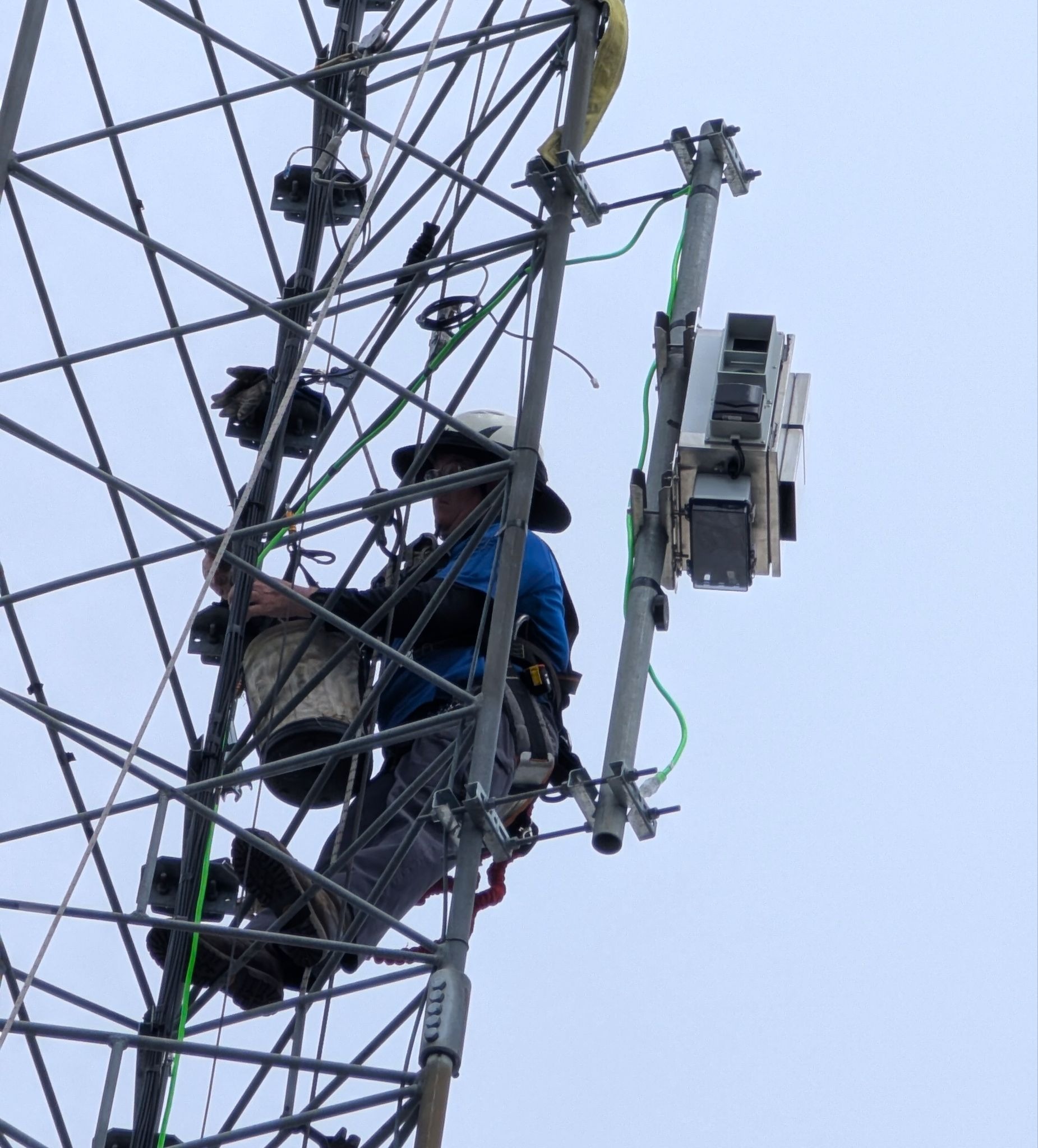
How Can FSOC Serve My Network?
There’s a few fundamental things to understand about FSOC (fiberless optics) before we examine how it can be used in your networks.
- FSOC requires zero permitting or licensing fees.
- FSOC provides 10+ Gbps and ultra-low latency.
- FSOC is highly secure with zero RF interference.
Laying traditional fiber is a long-term, labor intensive process. But an FSOC link can be deployed directly into your network in hours—not days or months. So what does that look like in your network?
- A temporary link across a railroad while you wait for permitting
- A physically redundant diverse path
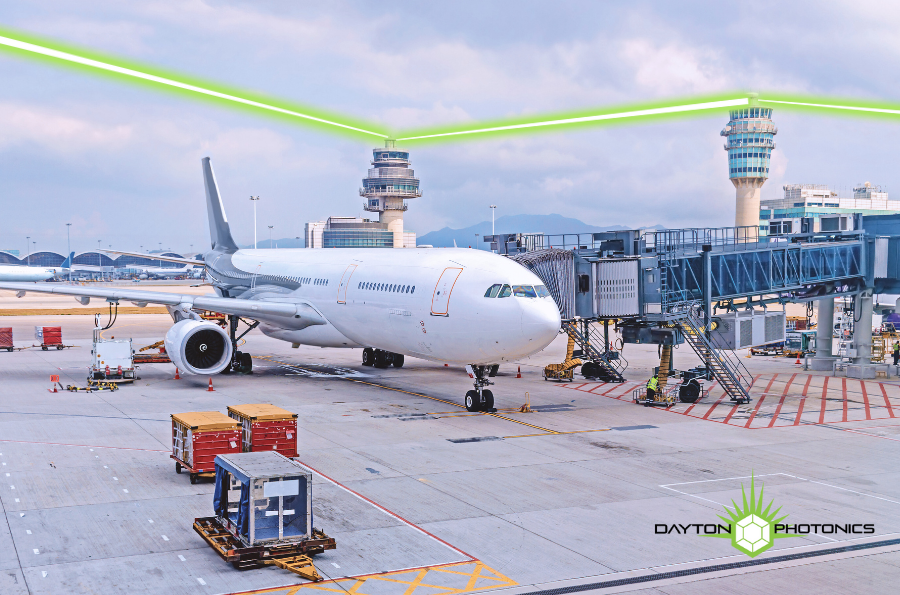
- A link across a river, highway, or other physical barrier
FSOC isn’t meant to replace your existing network but to enhance it. To fill in the gaps and reach places where fiber and FWA aren’t feasible. FSOC allows you to expand your network and reach more customers in a cost-effective way. By implementing FSOC you’ll help deliver broadband to those who don’t yet have access to it or who only have access to slower speeds.
FSOC at Dayton Photonics
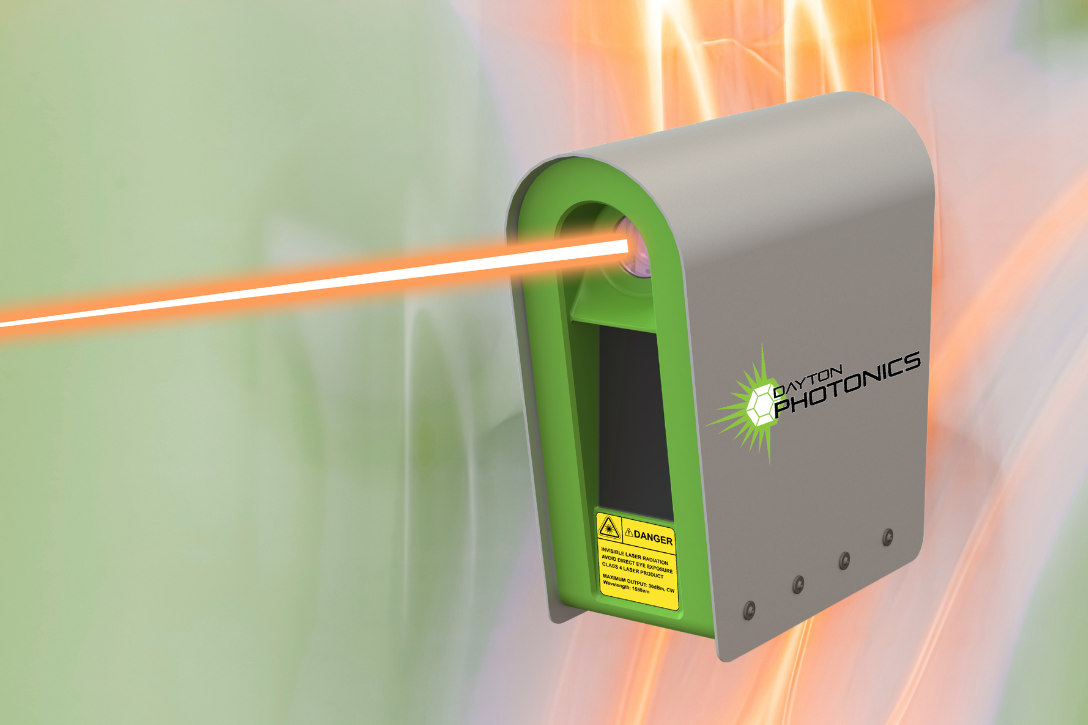
We’re an Ohio-based tech startup pioneering FSOC with our system called Theia™ Fiberless Optics. Theia™ is a middle-mile and last-mile solution that’s made in the USA and features automatic signal acquisition and patented beam-steering technology.
If you have questions about how FSOC can work for you, reach out to info@dayton-photonics.com or call us at (937) 303-1733. We’d love to help you learn more about this emerging technology—no sales pitch.