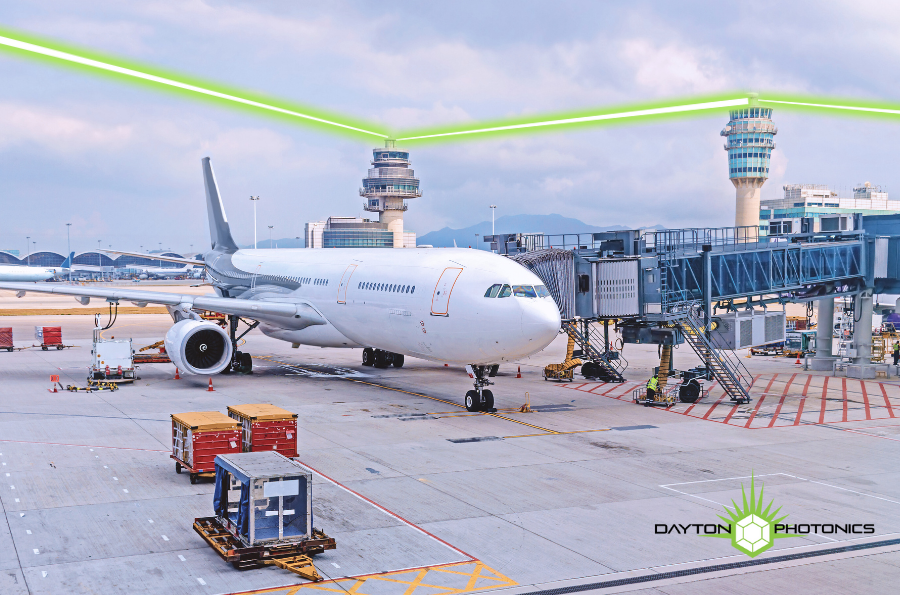
Overcoming Environmental Constraints and High-Cost Terrain in BEAD Deployments
Free Space Optical (FSO) communication gives broadband providers another way to navigate difficult terrain and keep BEAD deployments moving.
- Avoid excavation across difficult sections of a route
- Connect across challenging terrain and waterways
- Keep projects moving with flexible connectivity

Why managing AI risk presents new challenges
Aliquet morbi justo auctor cursus auctor aliquam. Neque elit blandit et quis tortor vel ut lectus morbi. Amet mus nunc rhoncus sit sagittis pellentesque eleifend lobortis commodo vestibulum hendrerit proin varius lorem ultrices quam velit sed consequat duis. Lectus condimentum maecenas adipiscing massa neque erat porttitor in adipiscing aliquam auctor aliquam eu phasellus egestas lectus hendrerit sit malesuada tincidunt quisque volutpat aliquet vitae lorem odio feugiat lectus sem purus.
- Lorem ipsum dolor sit amet consectetur lobortis pellentesque sit ullamcorpe.
- Mauris aliquet faucibus iaculis vitae ullamco consectetur praesent luctus.
- Posuere enim mi pharetra neque proin condimentum maecenas adipiscing.
- Posuere enim mi pharetra neque proin nibh dolor amet vitae feugiat.
The difficult of using AI to improve risk management
Viverra mi ut nulla eu mattis in purus. Habitant donec mauris id consectetur. Tempus consequat ornare dui tortor feugiat cursus. Pellentesque massa molestie phasellus enim lobortis pellentesque sit ullamcorper purus. Elementum ante nunc quam pulvinar. Volutpat nibh dolor amet vitae feugiat varius augue justo elit. Vitae amet curabitur in sagittis arcu montes tortor. In enim pulvinar pharetra sagittis fermentum. Ultricies non eu faucibus praesent tristique dolor tellus bibendum. Cursus bibendum nunc enim.

How to bring AI into managing risk
Mattis quisque amet pharetra nisl congue nulla orci. Nibh commodo maecenas adipiscing adipiscing. Blandit ut odio urna arcu quam eleifend donec neque. Augue nisl arcu malesuada interdum risus lectus sed. Pulvinar aliquam morbi arcu commodo. Accumsan elementum elit vitae pellentesque sit. Nibh elementum morbi feugiat amet aliquet. Ultrices duis lobortis mauris nibh pellentesque mattis est maecenas. Tellus pellentesque vivamus massa purus arcu sagittis. Viverra consectetur praesent luctus faucibus phasellus integer fermentum mattis donec.
Pros and cons of using AI to manage risks
Commodo velit viverra neque aliquet tincidunt feugiat. Amet proin cras pharetra mauris leo. In vitae mattis sit fermentum. Maecenas nullam egestas lorem tincidunt eleifend est felis tincidunt. Etiam dictum consectetur blandit tortor vitae. Eget integer tortor in mattis velit ante purus ante.
- Vestibulum faucibus semper vitae imperdiet at eget sed diam ullamcorper vulputate.
- Quam mi proin libero morbi viverra ultrices odio sem felis mattis etiam faucibus morbi.
- Tincidunt ac eu aliquet turpis amet morbi at hendrerit donec pharetra tellus vel nec.
- Sollicitudin egestas sit bibendum malesuada pulvinar sit aliquet turpis lacus ultricies.
“Lacus donec arcu amet diam vestibulum nunc nulla malesuada velit curabitur mauris tempus nunc curabitur dignig pharetra metus consequat.”
Benefits and opportunities for risk managers applying AI
Commodo velit viverra neque aliquet tincidunt feugiat. Amet proin cras pharetra mauris leo. In vitae mattis sit fermentum. Maecenas nullam egestas lorem tincidunt eleifend est felis tincidunt. Etiam dictum consectetur blandit tortor vitae. Eget integer tortor in mattis velit ante purus ante.
The Challenge Facing the Next Wave of BEAD Deployments
As broadband providers prepare for the next wave of Broadband Equity, Access, and Deployment (BEAD) funding, some of the most difficult deployment areas are likely to remain. Challenging terrain, waterways, protected areas, and other environmental constraints can make the final connections significantly more complicated and expensive to build.
For projects that rely on underground fiber, those challenges can extend beyond construction costs. Ground disturbance can bring additional environmental and historic preservation requirements, including reviews associated with the National Environmental Policy Act (NEPA) and Section 106 of the National Historic Preservation Act.
The result can be a project that is technically feasible but difficult to execute within the required schedule and budget. Environmental reviews, permitting, engineering changes, and specialized construction can add months to a deployment timeline and substantial costs before fiber construction even begins.
For BEAD-funded projects operating under a defined deployment schedule, those delays matter. Every month spent resolving a difficult route is another month that can affect construction milestones, customer activation, and the overall economics of the project.
Designing Around Environmental Constraints
One way to reduce that risk is to reconsider how the network crosses difficult areas.
Free Space Optics (FSO) communication can provide a high-capacity connection between two points without requiring a fiber cable to be installed underground between them. When an FSO link is mounted to existing infrastructure, it provides an alternative to trenching or directional drilling across a particularly difficult section of a route.
That makes FSO especially useful for the gaps that are hardest to reach with conventional fiber construction.
Dayton Photonics' Theia™, for example, can provide temporary or permanent optical connectivity between existing network points, giving operators another option when construction schedules, terrain, or environmental constraints make an immediate fiber connection impractical.
Where FSO Can Help
Avoid Excavation in Difficult Areas
Because an FSO link does not require an underground cable between endpoints, it can eliminate the need to excavate along that portion of a route.
That distinction can be particularly valuable when a proposed fiber path crosses waterways, steep terrain, railroads, environmentally sensitive areas, or other locations where excavation can introduce additional permitting, construction, or review requirements.
The applicable environmental requirements will depend on the specific project, funding program, location, and deployment design. FSO does not automatically eliminate those requirements, but avoiding excavation can simplify the scope of work that needs to be evaluated.
Avoid High-Cost Construction
Some of the remaining gaps in broadband deployment are also some of the most expensive places to build.
Rock, ravines, waterways, and other physical obstacles can turn a relatively short fiber segment into a major construction project. Trenching may require specialized equipment, while HDD can involve additional engineering, permitting, and restoration costs.
An FSO link can provide another way across the gap.
For a point-to-point connection with a clear line of sight, the physical characteristics of the terrain between the endpoints become far less significant. A ravine, rocky area, or other obstacle that would complicate underground construction can be crossed without excavating through it.
Keep Deployment Schedules Moving
BEAD projects have defined milestones and deadlines, making schedule risk an important consideration during network design.
FSO gives operators an immediate, high-throughput bridge while underground fiber permits are pending—or serves as the permanent primary link when digging isn't viable.
Rather than allowing one challenging crossing to determine the schedule for an entire project, operators can evaluate whether an optical link can provide connectivity either in place of traditional fiber or in the interim.
A More Flexible Approach to BEAD Deployment
The next phase of broadband construction will require operators to work through increasingly difficult deployment environments. Environmental constraints, challenging terrain, construction costs, and project timelines all need to be considered when selecting a network architecture.
Underground fiber will remain the foundation of broadband infrastructure. FSO provides another tool for the portions of a route where conventional construction becomes difficult, expensive, or slow.
For BEAD projects, that flexibility can be valuable. A carefully designed FSO link can help operators maintain connectivity, avoid excavation along difficult sections of a route, and keep those sections from dictating the schedule for the entire project.
Dayton Photonics' Theia™ gives network operators another option for crossing difficult gaps, whether as a permanent connection or as a bridge to a future fiber build.
When the route gets complicated, sometimes the most practical path forward is above it.